

MDR1 Tavşan Monoklonal Antikoru
Konjugasyon: Eşlenmemiş
Rekombinant tavşan monoklonal antikoru
Uygulama
Reaktivite
İnsan
Gen Adı
ABCB1 MDR1 PGY1
Saklama
Kısa süreli 4°C'de saklayın. Uzun süreli -20°C'de alikot halinde saklayın. Dondurma/çözme döngülerinden kaçının.
Özet
| Ürün Adı | MDR1 Tavşan Monoklonal Antikoru |
| Açıklama | Rekombinant tavşan monoklonal antikoru |
| Konak | Tavşan |
| Reaktivite | İnsan |
| Konjugasyon | Eşlenmemiş |
| Modifikasyon | Değiştirilmemiş |
| İzotip | IgG,Kappa |
| Klonalite | Monoklonal |
| Form | Sıvı |
| Konsantrasyon | Eşlenmemiş |
| Saklama | Kısa süreli 4°C'de saklayın. Uzun süreli -20°C'de alikot halinde saklayın. Dondurma/çözme döngülerinden kaçının. |
| Nakliye | Buz torbaları. |
| Tampon | PBS, %50 gliserol, %0,05 Proclin 300, %0,05 koruyucu protein |
| Saflaştırma | Protein A |
Antijen Bilgisi
| Gen Adı | ABCB1 MDR1 PGY1 |
| Alternatif İsimler | ABC20;ABCB1;ATP binding cassette, sub family B;MDR/TAP;, member 1;ATP-binding cassette sub-family B member 1;CD243;CLCS;Colchicin sensitivity;Doxorubicin resistance;GP170;MDR1;MDR1_HUMAN;Multidrug resistance 1;Multidrug resistance protein 1;P glycoprotein 1;P gp;P-glycoprotein 1;PGY1 |
| Gen Kimliği | 5243 |
| SwissProt Kimliği | P08183 |
| İmmünojen | İnsan P Glikoproteininin rekombinant proteini |
Uygulama
| Uygulama | WB,IHC,ICC/IF,ELISA,IP |
| Seyreltme Oranı | WB 1:2000-1:10000,IHC 1:200-1:1000,ICC/IF 1:200-1:1000,ELISA 1:5000-1:20000,IP 1:50-1:200 |
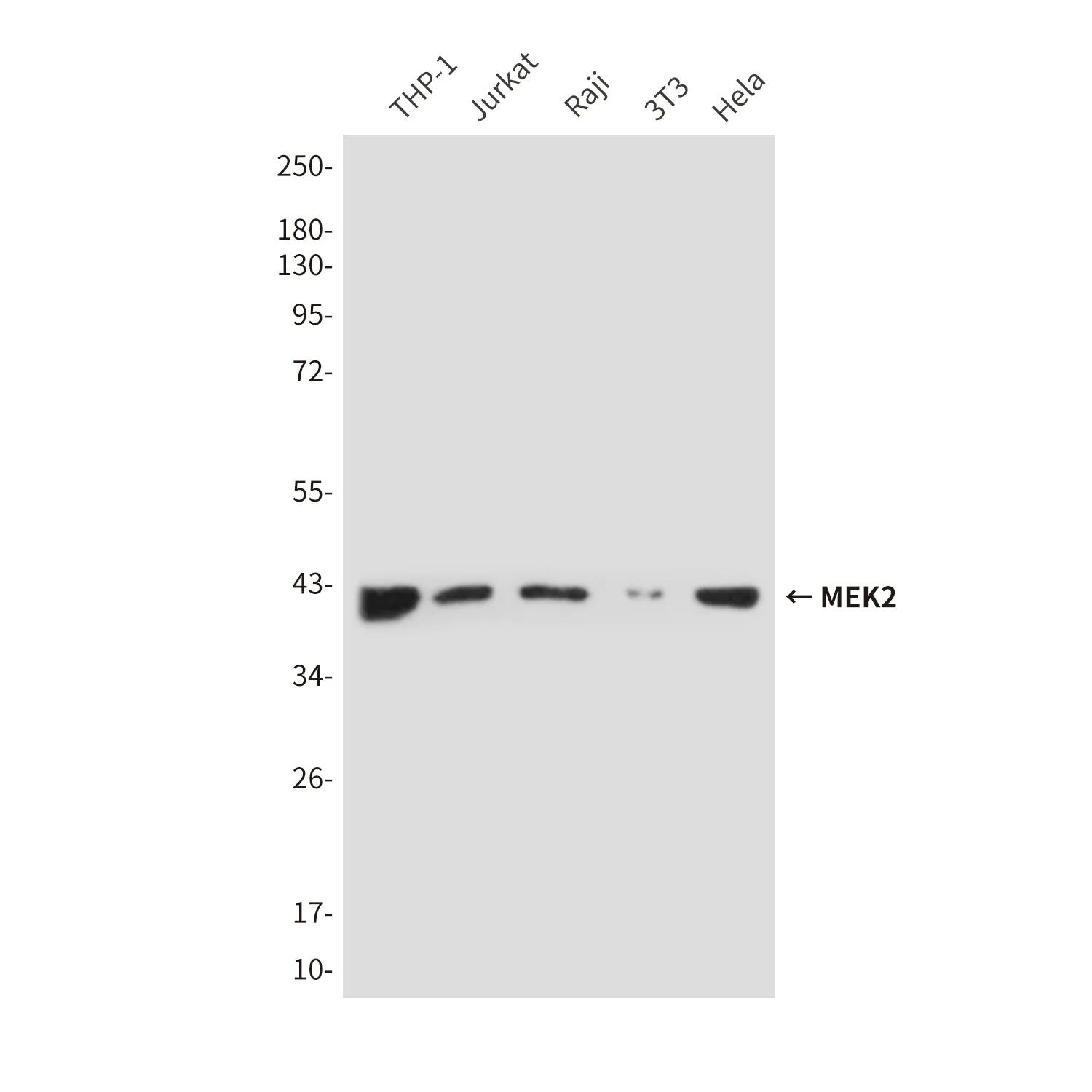
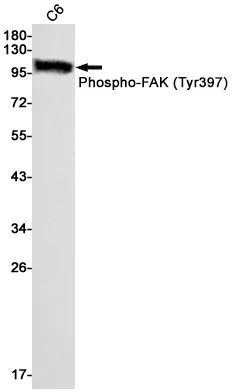
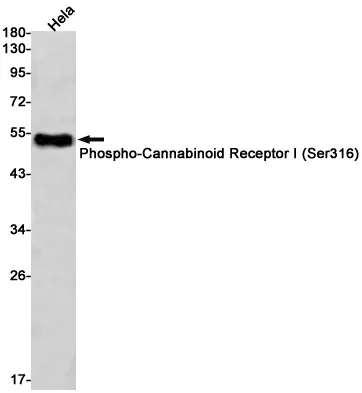
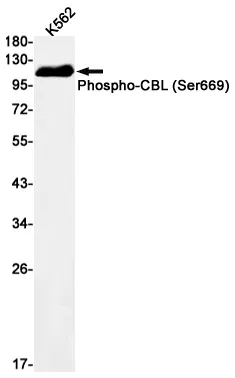
| Moleküler Ağırlık | Calculated MW:141kD;Observed MW:141kD |
Araştırma Alanı
Arka Plan
| Hücre lokalizasyonu: Zar. Bu gen tarafından kodlanan zarla ilişkili protein, ATP bağlayıcı kaset (ABC) taşıyıcıları süper ailesinin bir üyesidir. ABC proteinleri, çeşitli molekülleri hücre içi ve hücre dışı zarlardan taşır. ABC genleri yedi ayrı alt aileye ayrılır (ABC1, MDR/TAP, MRP, ALD, OABP, GCN20, White). Bu protein, MDR/TAP alt ailesinin bir üyesidir. MDR/TAP alt ailesinin üyeleri çoklu ilaç direncinde rol oynar. Bu gen tarafından kodlanan protein, geniş substrat özgüllüğüne sahip ksenobiyotik bileşikler için ATP'ye bağımlı bir ilaç çıkış pompasıdır. Çoklu ilaca dirençli hücrelerde ilaç birikiminin azalmasından sorumludur ve genellikle kanser ilaçlarına karşı direnç gelişimine aracılık eder. Bu protein aynı zamanda kan-beyin bariyerinde bir taşıyıcı görevi görür. [RefSeq tarafından sağlanmıştır, Temmuz 2008] |